
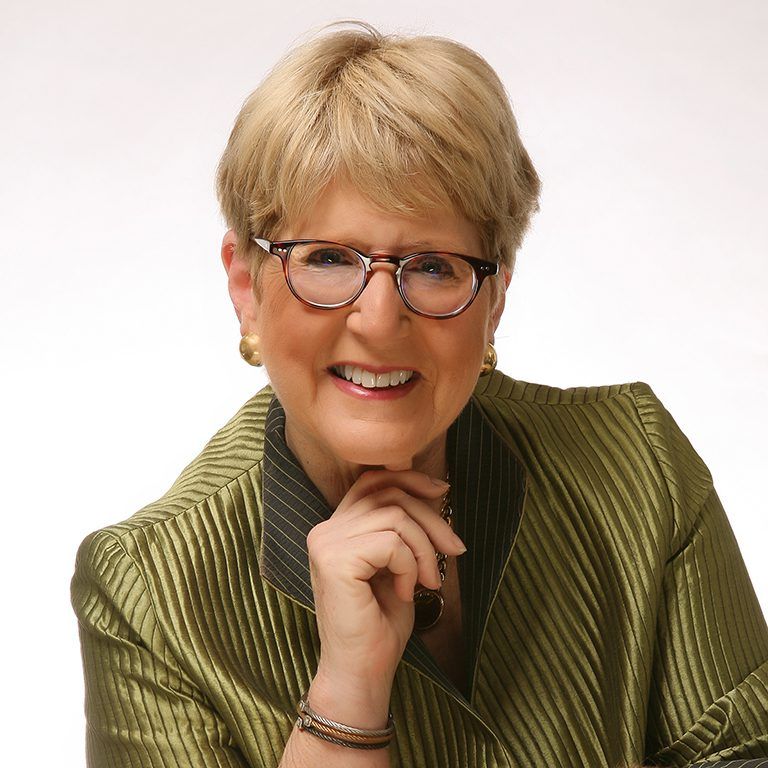
Dr. Lois Frankel, an internationally recognized expert in the fields of workplace behaviour and female empowerment, and the president of Corporate Coaching International, launches the newest edition of her groundbreaking book, Nice Girls Don’t Get the Corner Office, this week—a title that has shaped the career conversations of professional women for more than a decade.
We focused our discussion on women’s leadership in the workplace, the opportunities, challenges, and future.
Our first exchange highlighted why women’s leadership matters now.
“We currently live in a bro-ocracy. It is almost entirely white men who are making the rules for the rest of us in society.”
As a result, we are seeing an erosion of civility, respect for differences, and decision-making that capitalizes on diverse viewpoints—all things that women bring to the leadership table.”
This is not about women being “better.” It’s about women being different—and that difference being exactly what the world needs.
“Women don’t make better leaders than men, they make different leaders—and that difference is precisely what we need today if we have any hope of healing the damage being done in society.”
“It will be women who bring the world more balance.”
Leadership is a woman’s art. And we’ve been practicing it all along.
Why So Many Women Still Hesitate to Lead
Despite women leading in homes, communities, nonprofits, and corporations every day, many still hesitate to claim formal leadership roles. Why?
Dr. Frankel points to five core reasons.
First: fear of humiliation.
“Being called out and embarrassed by men who are threatened by their potential power to flip the script.”
Second: lack of visible role models.
“If you see it, you can be it.”
Third: misunderstanding what leadership actually is.
Too many women still measure themselves against an outdated, hyper-masculine model of power—command-and-control, dominance over dialogue.
Fourth: open hostility.
“Resentment comes not only from men but from other women.”
And fifth: the chronic experience of having ideas criticized rather than built upon.
When every contribution feels like a battle, silence can feel safer.
But silence comes at a cost.
Read the full article on Substack.com
Recent Comments