
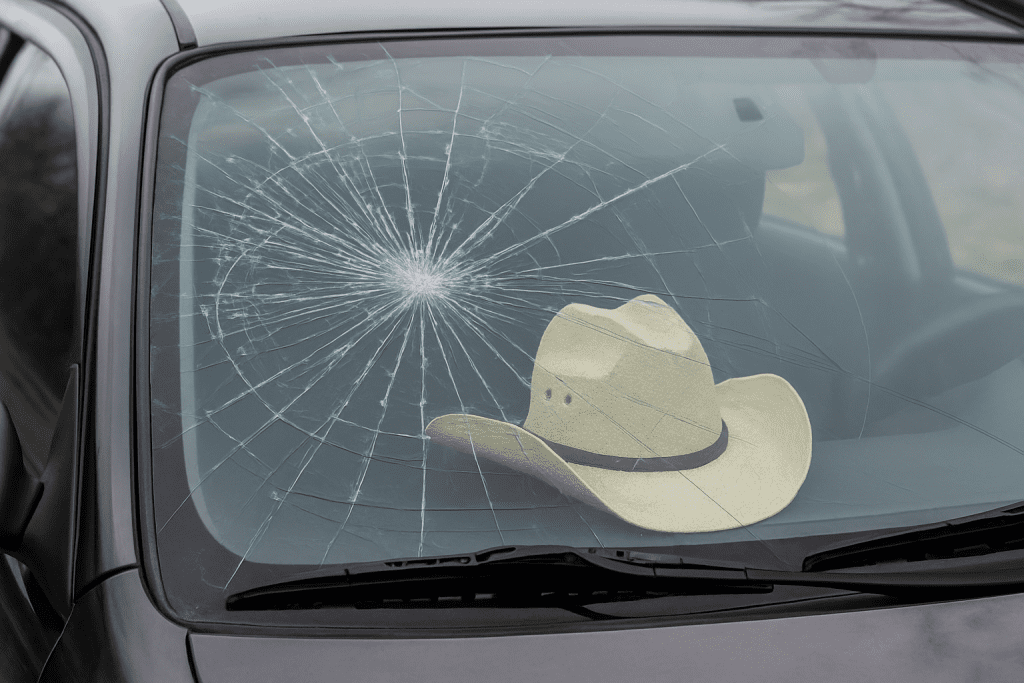
I was in my early career, working for a national healthcare company. We were hosting a multiday, company-wide meeting at a conference center in Long Island, New York. The main building held the educational sessions, restaurant, and bar; the sleeping rooms were spread across several smaller outbuildings around the property.
Like many conferences, evenings ended with a crowd at the bar. Another company was on-site the same week — a mostly male group from the Midwest, dressed in cowboy hats and western-themed attire. The vibe was loud, rowdy, and performative.
On the last night, as I left the bar to head back to my room, one of the men from that group walked out at the same time. He’d clearly been drinking. He slid into small talk instantly:
“You’re the cutest thing I’ve seen all day. How come I didn’t see you in the bar? Where are you from?”
Trying to stay polite without encouraging anything, I answered simply: “Connecticut.”
We ended up walking toward the same building. When I stepped into the elevator, he stepped in too. I dismissed it as coincidence and mildly obnoxious behavior.
I got off on my floor — not realizing he did too.
I walked to my door, unlocked it, and before I could step fully inside, he burst in behind me.
For a split second, I froze. But my roommate was there — thank God. She immediately grabbed the phone to call security, and he bolted.
I barely slept. The next morning, shaken but determined to get home, I carried my bags to my car. The license plate — Connecticut — now felt like a target on my back.
When I reached my car, my stomach dropped.
The windshield had been smashed in.
And placed deliberately in the back seat was a cowboy hat.
I knew exactly what that meant.
A Professional Perspective: Why This Happens — and How Women Can Better Protect Their Safety
The following are insights from my interview with Christine DiBlasio, Ph.D., PLC,
Founder & Licensed Psychologist, Stone House Associates
When I shared my story with Dr. Christine DiBlasio, her response was painfully validating:
“Your experience is far more common than people realize.”
More than 50% of women in the U.S. experience some form of sexual violence in their lifetime, often not from a stranger lurking in a dark alley, but from someone familiar, loosely connected, or within their social or professional environment. In the U.S., 60–85% of attacks fall into this category.
Read the full article on Substack.com
Recent Comments